
Exponent कैलकुलेटर
गणना करें एक आधार raised को कोई power, सहित नकारात्मक और fractional exponents.
अंतिम अपडेट:
Exponent कैलकुलेटर: गणना करें Powers के साथ चरण
उपयोग यह exponent कैलकुलेटर को raise कोई संख्या को एक power और देखें कैसे उत्तर है गणना किया. दर्ज करें एक आधार और exponent को solve positive, नकारात्मक, शून्य, fractional, और दशमलव exponents.
यह टूल है उपयोगी के लिए छात्र जाँचना homework, शिक्षक explaining exponent नियम, STEM learners काम करना के साथ सूत्र, और anyone जो ज़रूरत एक त्वरित power कैलकुलेटर के साथ स्पष्ट चरण.
कैसे को उपयोग Exponent कैलकुलेटर
- दर्ज करें आधार संख्या.
- दर्ज करें exponent या power.
- चुनें आपका preferred दशमलव precision.
- चुनें मानक या scientific notation के लिए बड़ा और छोटा परिणाम.
- समीक्षा करें उत्तर और step-द्वारा-step explanation.
आप सकता है दर्ज करें fractions ऐसा जैसे 1/2 या 1/3 के लिए fractional exponents.
क्या है एक आधार और एक Exponent?
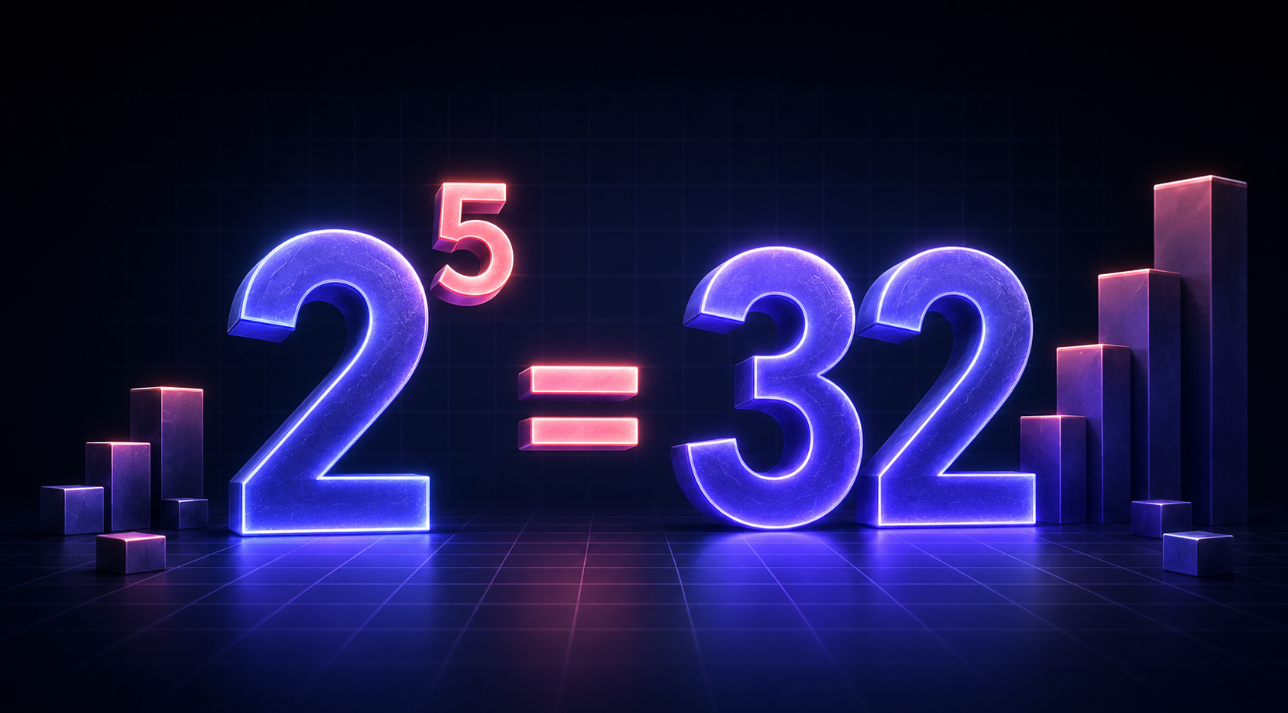
में एक expression ऐसा जैसे 2⁵, संख्या 2 है आधार और 5 है exponent.
exponent tells आप कैसे कई बार को गुणा करें आधार द्वारा itself:
2⁵ = 2 × 2 × 2 × 2 × 2 = 32
| Expression | आधार | Exponent | परिणाम |
|---|---|---|---|
| 3⁴ | 3 | 4 | 81 |
| 5³ | 5 | 3 | 125 |
| 10² | 10 | 2 | 100 |
| 2⁸ | 2 | 8 | 256 |
Positive Exponents
एक positive पूरा-संख्या exponent प्रतिनिधित्व करना repeated multiplication.
उदाहरण के लिए:
3⁴ = 3 × 3 × 3 × 3 = 81
यह rule applies को positive और नकारात्मक आधार. Parentheses हैं महत्वपूर्ण कब आधार है नकारात्मक.
(−2)⁴ = (−2) × (−2) × (−2) × (−2) = 16
बिना parentheses, −2⁴ है आमतौर पर interpreted जैसे −(2⁴), कौन सा बराबर −16.
शून्य Exponents
कोई nonzero संख्या raised को power का शून्य बराबर 1.
7⁰ = 1
100⁰ = 1
यह rule applies केवल कब आधार है नहीं शून्य. expression 0⁰ है indeterminate, इसलिए कैलकुलेटर पहचानें यह इसके बजाय का दिखा रहा है एक misleading उत्तर.
नकारात्मक Exponents
एक नकारात्मक exponent का अर्थ कि आप लें reciprocal का positive power.
2⁻³ = 1 ÷ 2³ = 1/8 = 0.125
दूसरा उदाहरण:
4⁻² = 1 ÷ 4² = 1/16 = 0.0625
नकारात्मक exponents करें नहीं स्वचालित रूप से बनाएँ अंतिम उत्तर नकारात्मक. वे tell आप को स्थानांतरित करें power में denominator का एक fraction.
Fractional Exponents
Fractional exponents प्रतिनिधित्व करना roots.
| Exponent | मतलब | उदाहरण |
|---|---|---|
| 1/2 | वर्ग root | 16¹⁄² = √16 = 4 |
| 1/3 | Cube root | 27¹⁄³ = ∛27 = 3 |
| 1/4 | Fourth root | 16¹⁄⁴ = 2 |
| 2/3 | Cube root, फिर वर्ग | 8²⁄³ = 4 |
उदाहरण के लिए:
16¹⁄² = √16 = 4
27¹⁄³ = ∛27 = 3
denominator का fraction tells आप कौन सा root को लें. numerator tells आप क्या power को apply.
दशमलव Exponents
दशमलव exponents काम में समान तरीका जैसे fractional exponents कब वे प्रतिनिधित्व करना समान मान.
उदाहरण के लिए:
9⁰·⁵ = 9¹⁄² = √9 = 3
कैलकुलेटर evaluates दशमलव exponents numerically और दिखाता है परिणाम उपयोग करके आपका चयनित precision.
Powers का 10 और Scientific Notation
Powers का 10 हैं सामान्य में science, engineering, computing, और वित्त.
10³ = 1,000
10⁶ = 1,000,000
10²⁰ = 100,000,000,000,000,000,000
के लिए बहुत बड़ा या बहुत छोटा उत्तर, scientific notation रखें परिणाम आसान को read:
10²⁰ = 1 × 10²⁰
उपयोग scientific notation प्रदर्शन सेटिंग कब तुलना करें बड़ा exponential मान.
कब एक Exponent परिणाम है Undefined या नहीं वास्तविक
कुछ exponent expressions करें नहीं हैं एक वास्तविक-संख्या उत्तर.
- 0⁻¹ है undefined क्योंकि यह आवश्यक होना division द्वारा शून्य.
- 0⁰ है indeterminate.
- (−16)¹⁄² है नहीं एक वास्तविक संख्या क्योंकि यह आवश्यक होना वर्ग root का एक नकारात्मक संख्या.
- नकारात्मक आधार के साथ कुछ दशमलव exponents हो सकता है आवश्यक होना जटिल संख्याएँ.
यह कैलकुलेटर स्पष्ट रूप से explains ये मामला इसके बजाय का लौटाएँ एक unexplained error.
Exponent कैलकुलेटर FAQ
क्या है एक exponent कैलकुलेटर?
एक exponent कैलकुलेटर है एक टूल कि गणना करें एक आधार raised को एक power. यह सकता है solve expressions ऐसा जैसे 2⁵, 4⁻², 16¹⁄², और 10²⁰.
कैसे करें मैं गणना करें एक नकारात्मक exponent?
उपयोग reciprocal rule: एक⁻ⁿ = 1 ÷ एकⁿ. के लिए उदाहरण, 3⁻² बराबर 1 ÷ 3², या 1/9.
क्या करता है एक exponent का 0 मतलब?
कोई nonzero आधार raised को शून्य बराबर 1. के लिए उदाहरण, 12⁰ = 1.
सकता है मैं दर्ज करें एक fraction जैसे एक exponent?
हाँ. दर्ज करें fractions में फ़ॉर्म 1/2, 1/3, या 2/3 को गणना करें roots और fractional powers.
क्यों है मेरा उत्तर shown में scientific notation?
Scientific notation है उपयोग किया कब एक परिणाम है बहुत बड़ा या बहुत छोटा, बनाना यह आसान को read बिना एक लंबा स्ट्रिंग का शून्य.